
Loading cart items…
Subtotal—
Total—
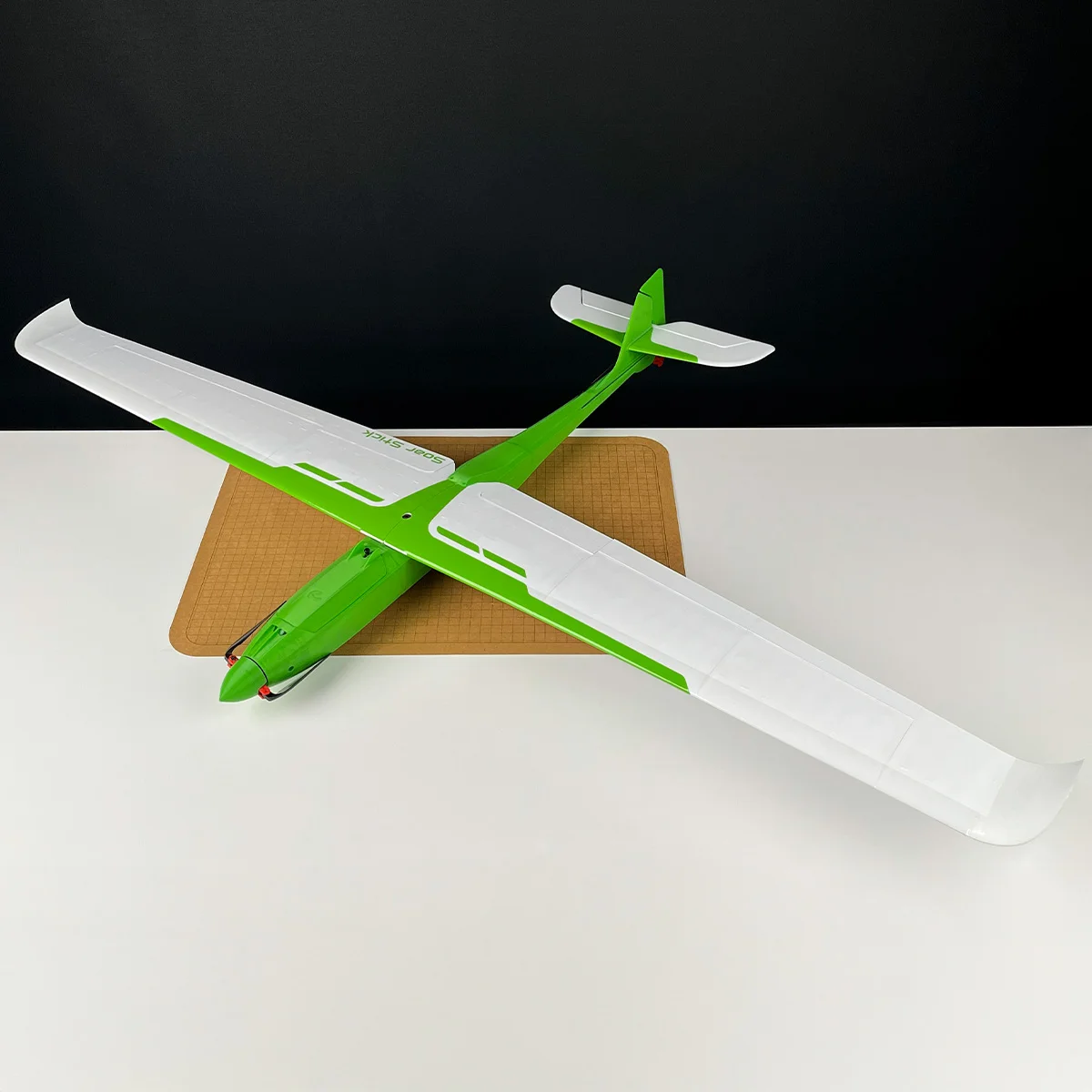
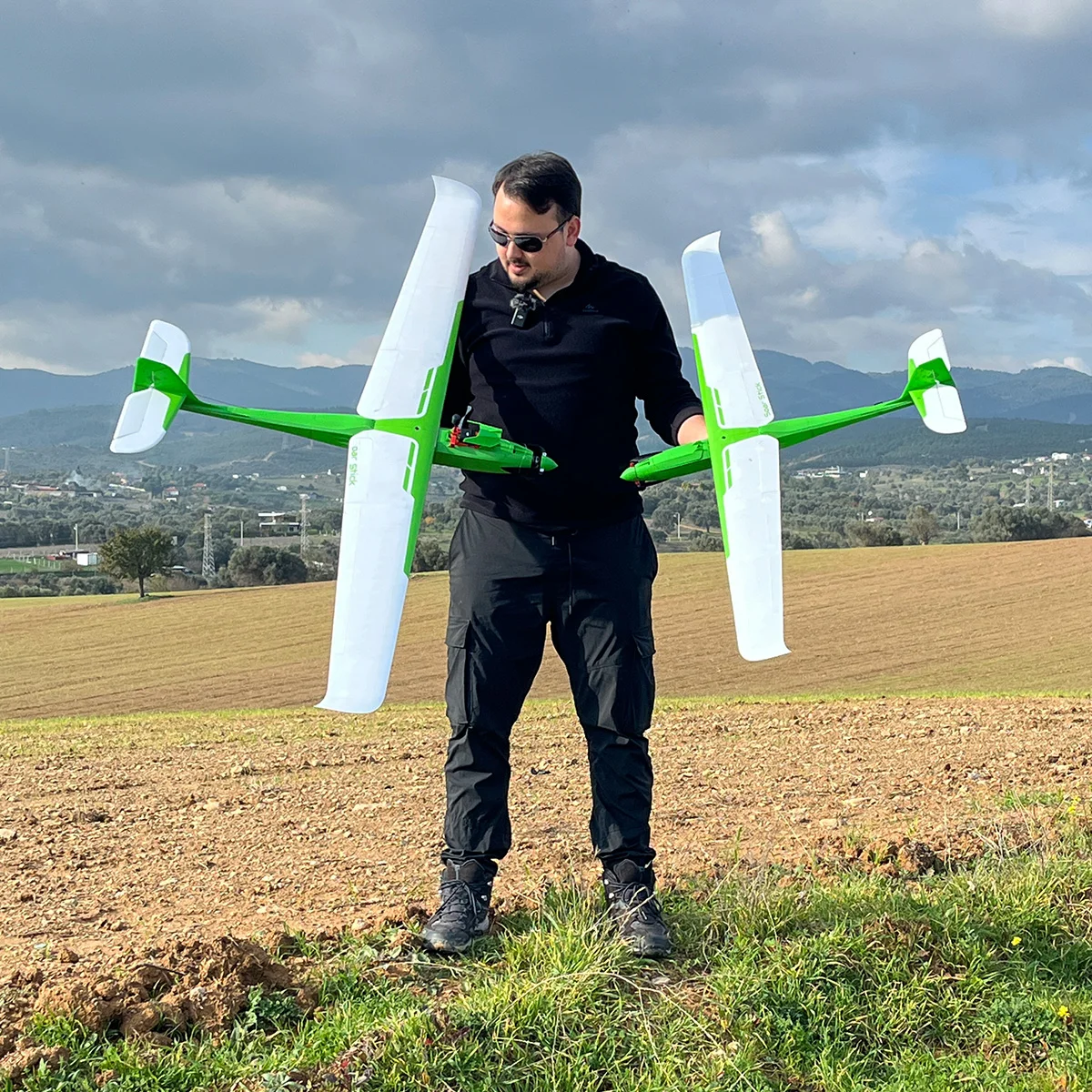
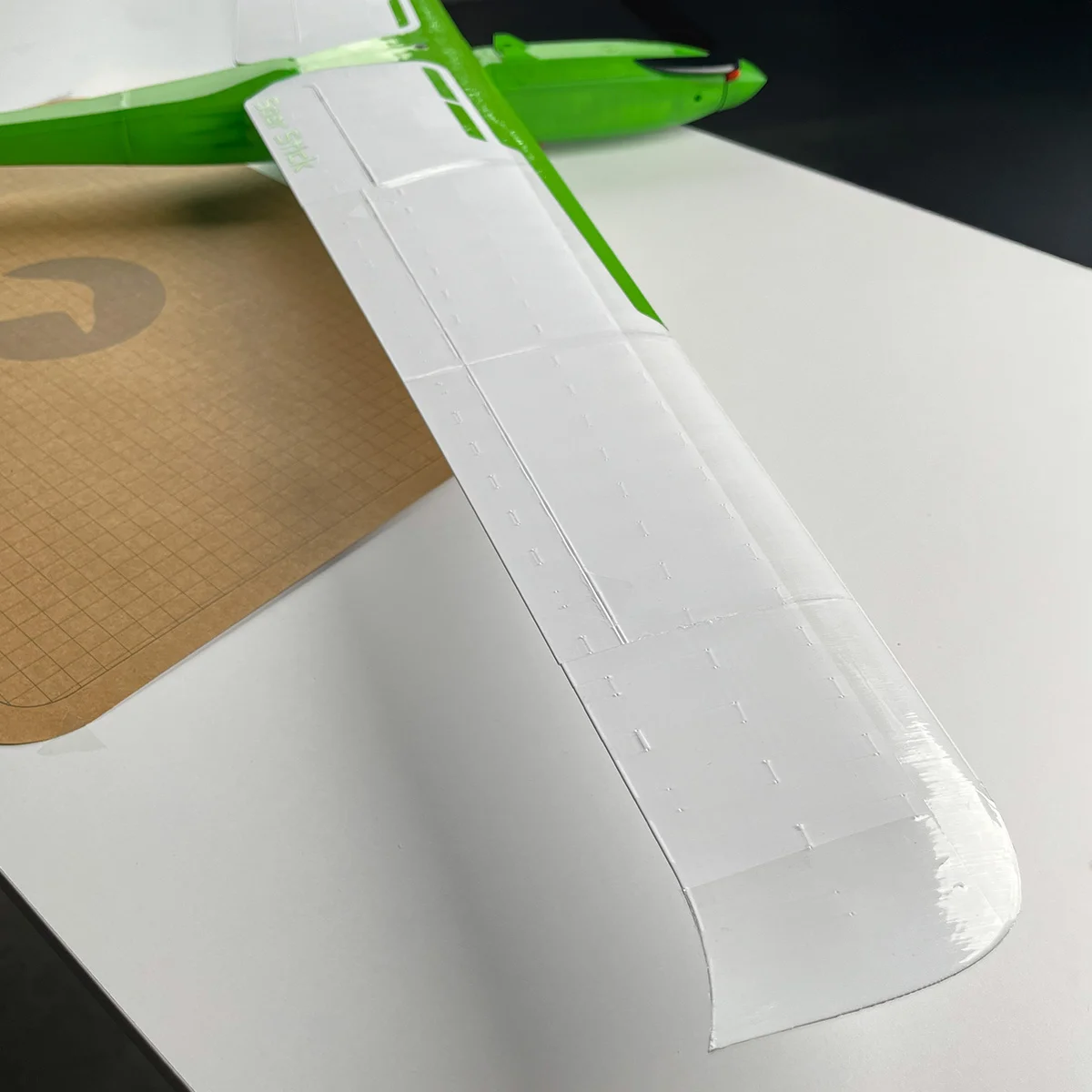
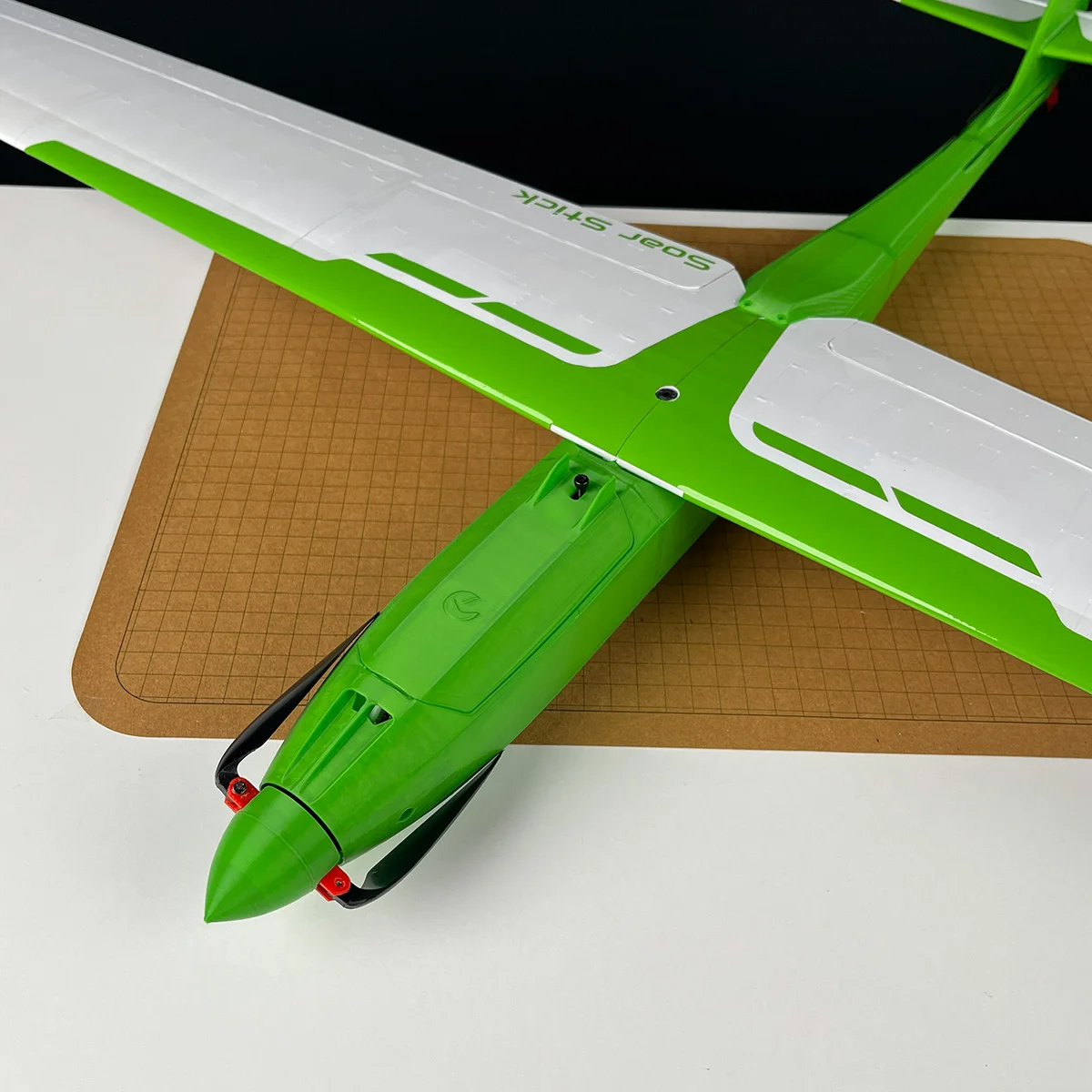
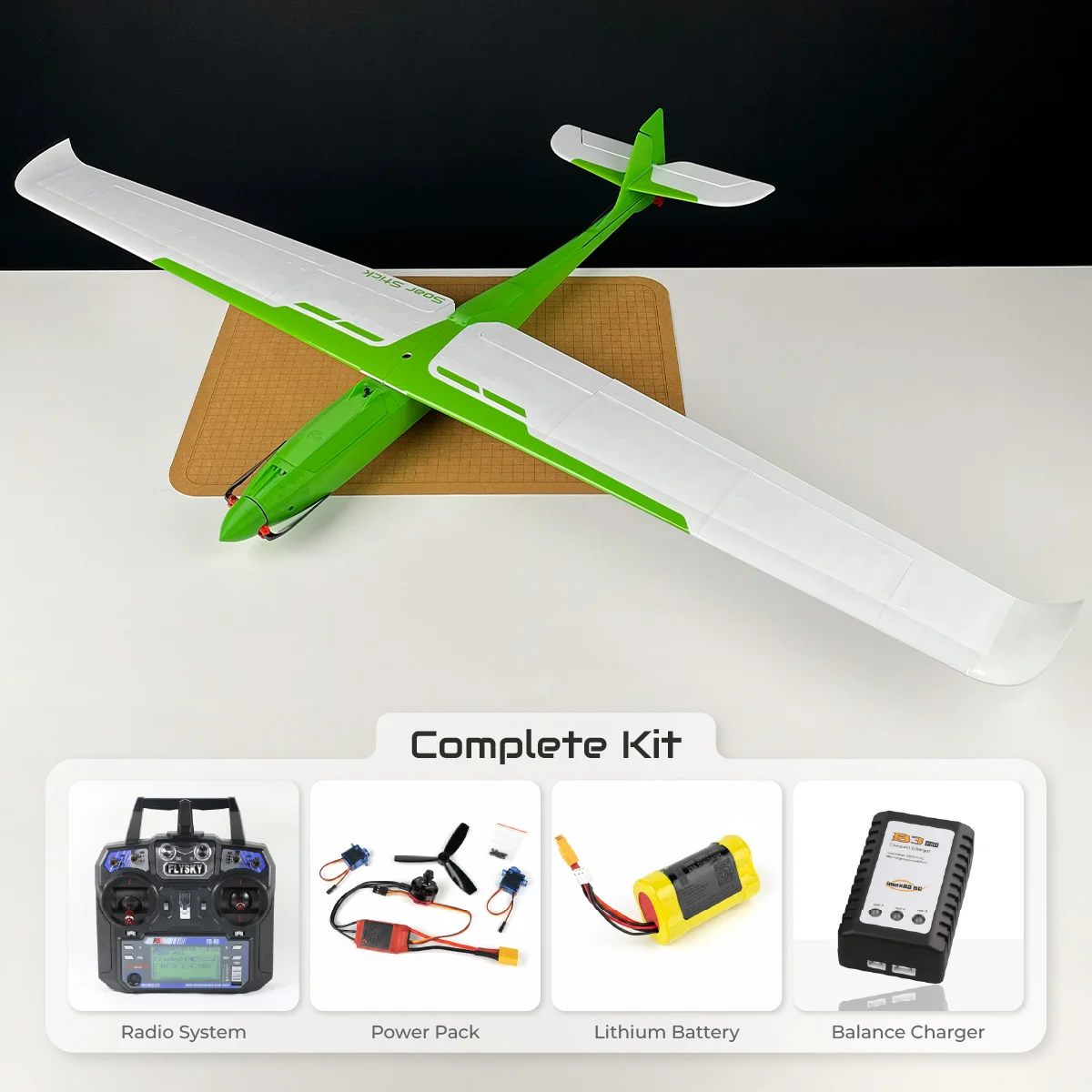
Soar Stick is a lightweight, high-performance glider developed from the Stick platform, featuring an optimized airfoil, extended wingspan, and precisely tuned flaps for efficient soaring, thermals, and slope flight.
Soar Stick exists to make real glider flying accessible, anywhere in the world. It is a fully 3D printable electric soaring glider, born from the original Stick idea, then rebuilt from the ground up with a new wing, a new airfoil, and a new airframe designed for thermals and long, efficient flight.


Soar Stick is designed for real glider flying, not just cruising under power. The wing, airfoil, and overall balance are tuned for efficiency so you can stretch every bit of energy in the air. In the right conditions, it can climb in thermals and stay up longer with smooth, stable glides. It also performs well in slope soaring, giving you that true glider feeling when you find clean lift.

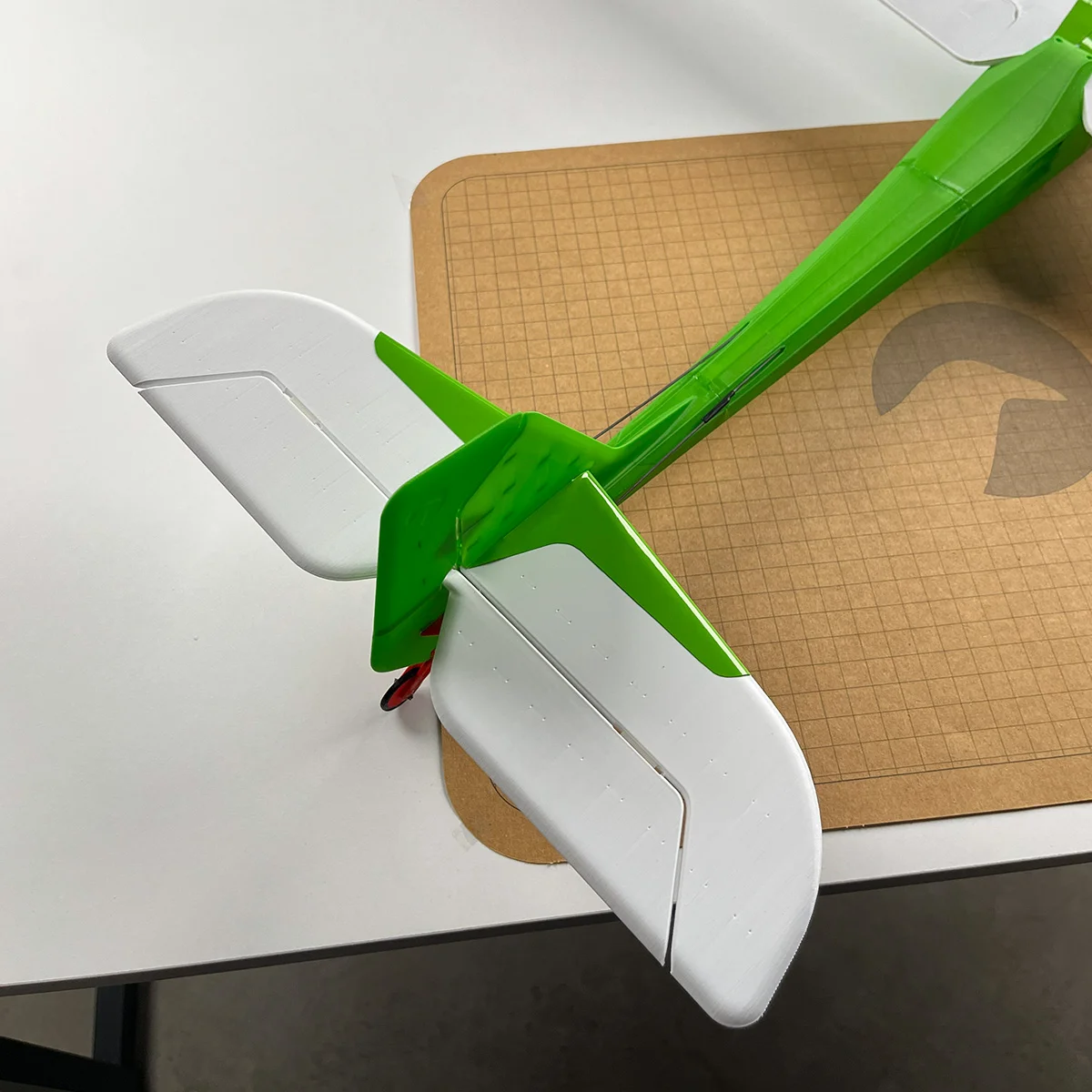
This project started as a simple longer wing idea, but it became a full glider redesign. We changed the airfoil, extended the fuselage, and added flaps, and each change forced new CG and balance decisions across the whole aircraft. Control surface sizing, wing proportions, and weight distribution were refined as one connected system, not separate upgrades. It took nearly six months of focused design and real testing to get the final result.

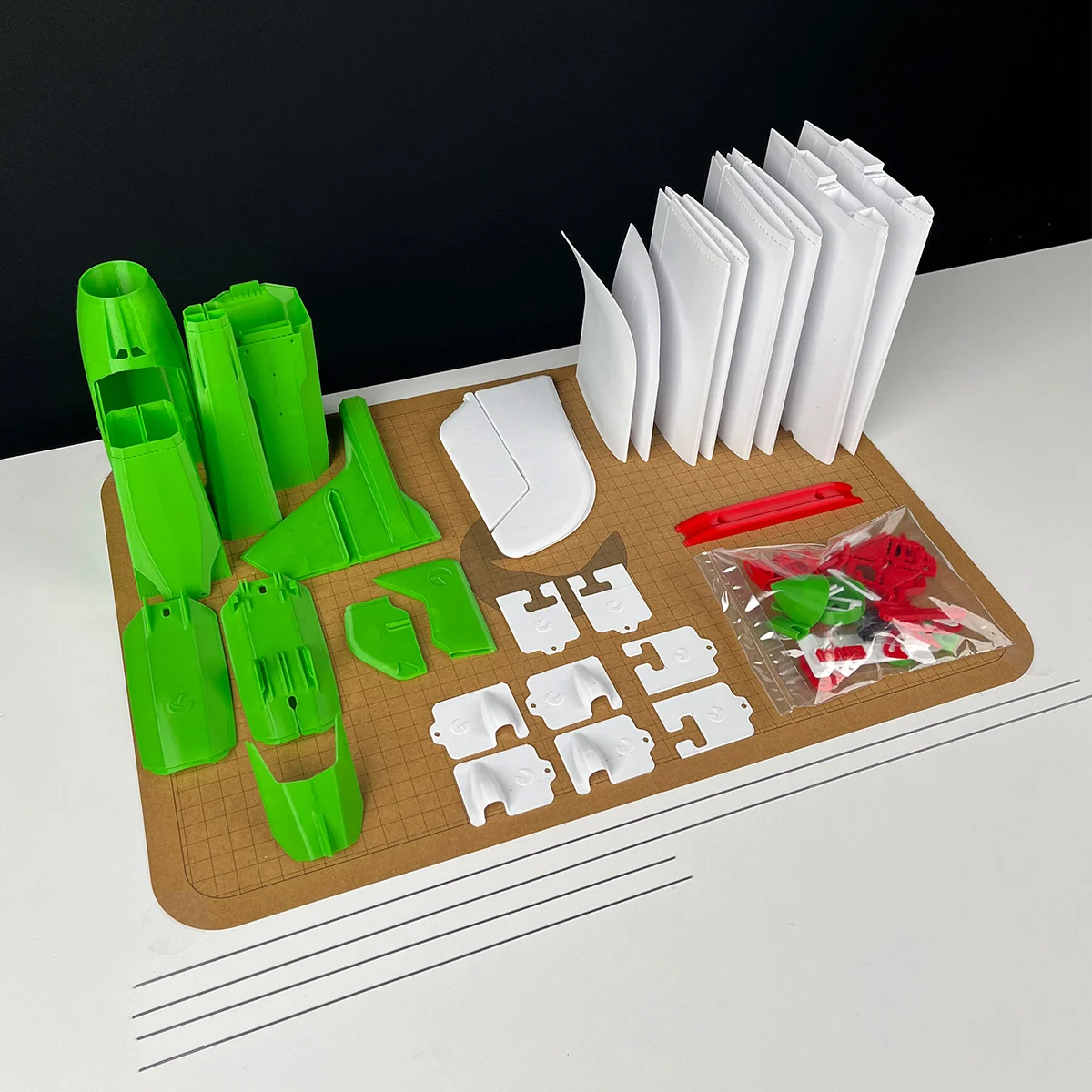
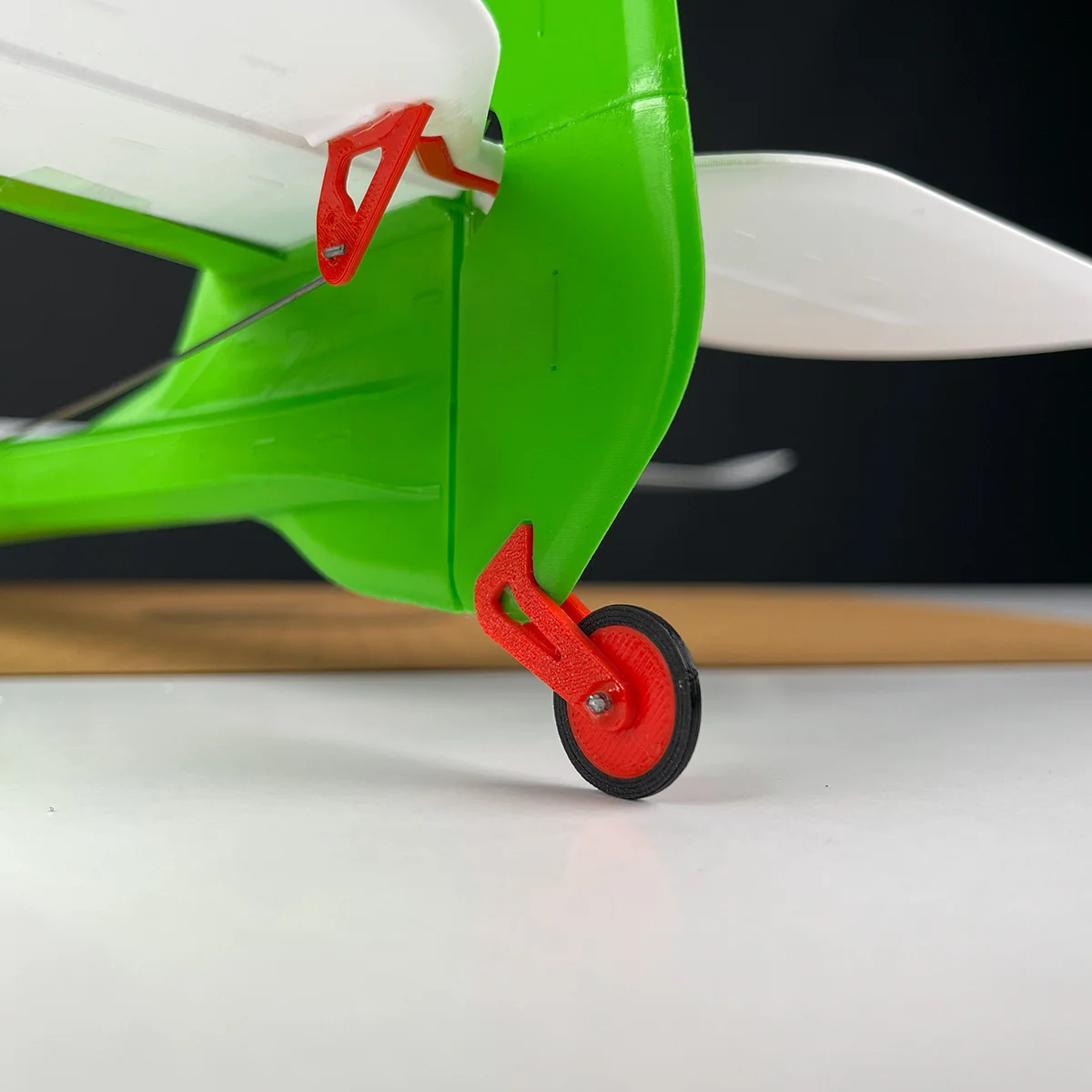
Soar Stick stays true to the Stick philosophy: no carbon rods, no exotic materials, no complicated construction steps. It is fully printable in standard PLA, and the structure is optimized to deliver stiffness where needed without adding unnecessary mass. That makes it affordable to build, easy to reproduce, and realistic for anyone with a normal 3D printer setup. You get serious glider performance while keeping the build straightforward and accessible.

A lightweight airframe and low wing loading make the model slow, forgiving, and confidence building. It feels calm in the air, reacts smoothly, and gives you more time to think during approaches and landings. This is especially important for soaring, because the aircraft should not feel “twitchy” when you are searching for lift. The result is a glider that is enjoyable for relaxed flights but still capable when you push it.

Soar Stick is designed for clean, practical production at home. The parts are planned so you can make real progress with a few print plates instead of endless single-piece prints. The structure is optimized for strength and weight without making printing fragile or overly sensitive. This keeps the build process motivating, predictable, and repeatable, which matters a lot for first-time glider builders.

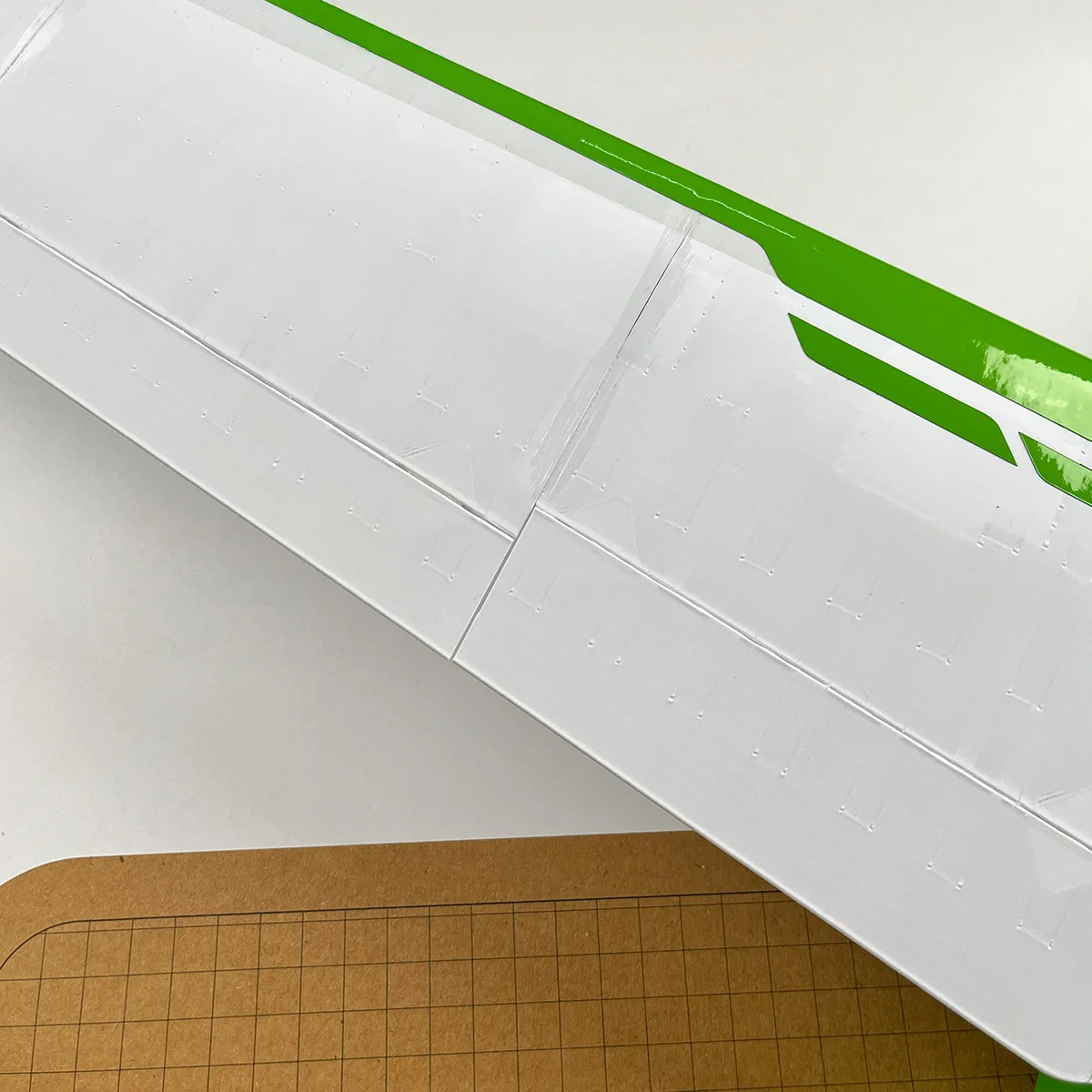
The aileron and flap geometry was developed as part of the glider system, not added as an afterthought. Flaps give you extra control over speed and lift, which is a key part of real soaring technique. When set up correctly, they can help with slower landings, tighter approaches, and more efficient glides depending on conditions. And because the model was engineered around these surfaces, the handling stays predictable and clean when you start exploring mixes.
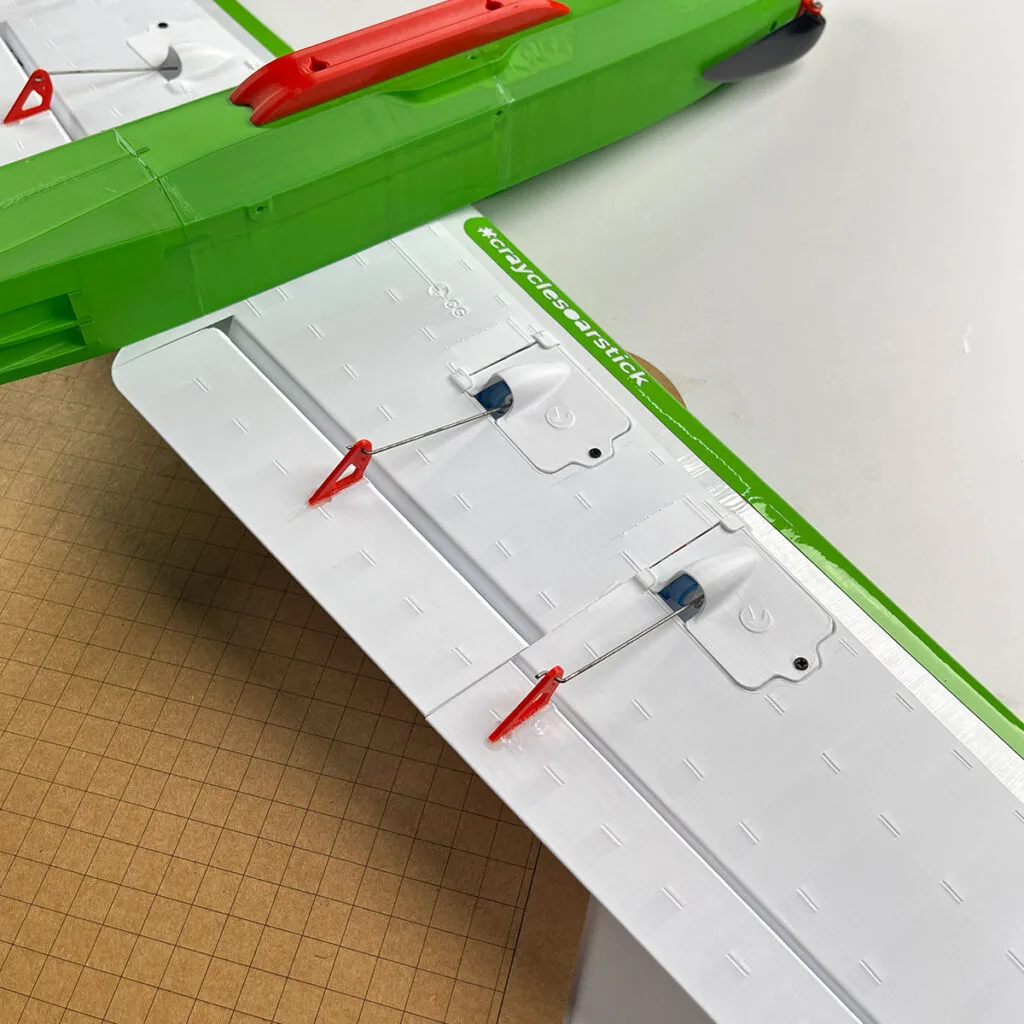
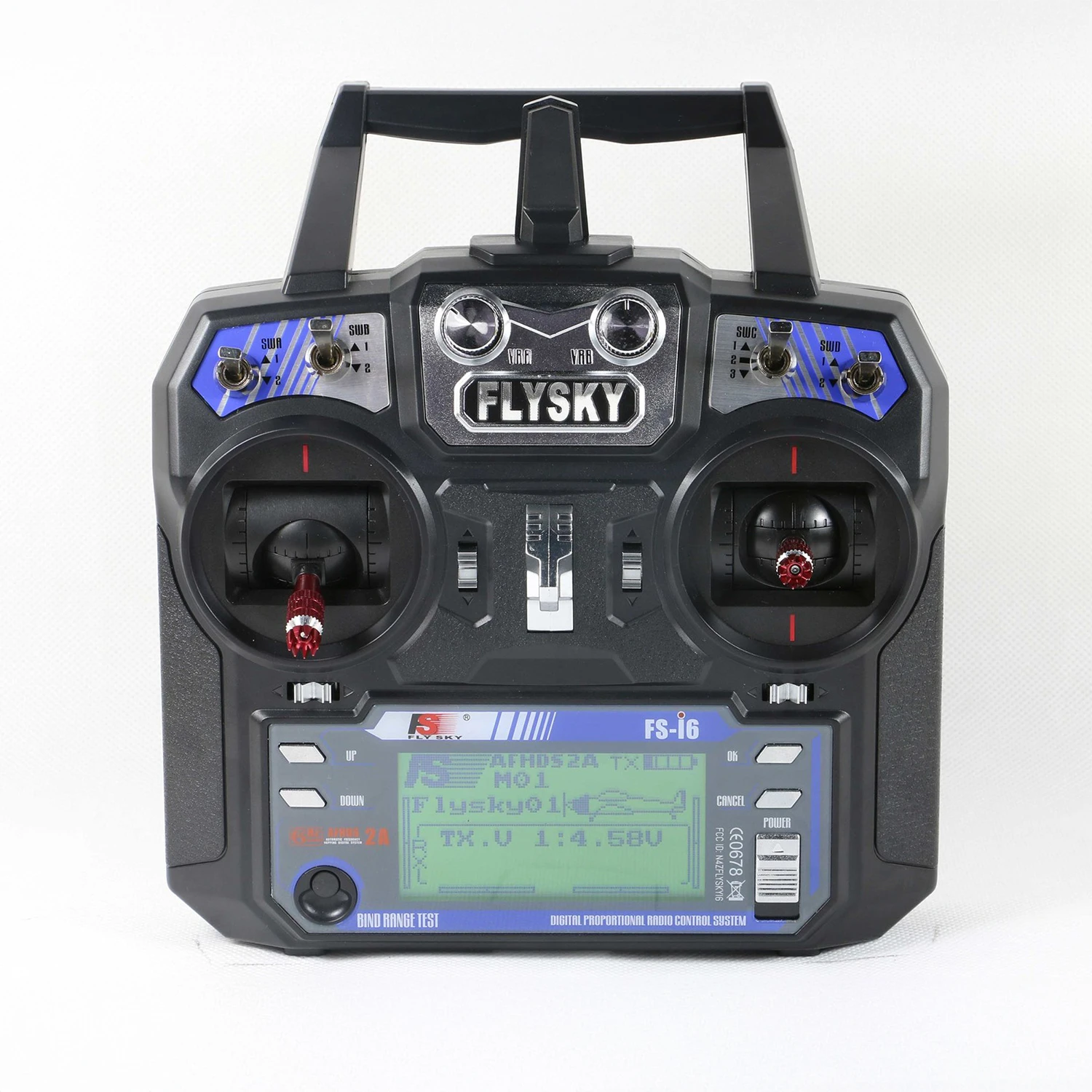
You can fly Soar Stick with a minimal setup, aileron, elevator, and rudder, and still get calm, enjoyable soaring. That makes the first flights simple and reduces the amount of setup work needed before you can start learning. When you feel ready, flaps and glider mixes unlock a deeper level of control and performance. It becomes a platform that grows with you instead of demanding everything on day one.

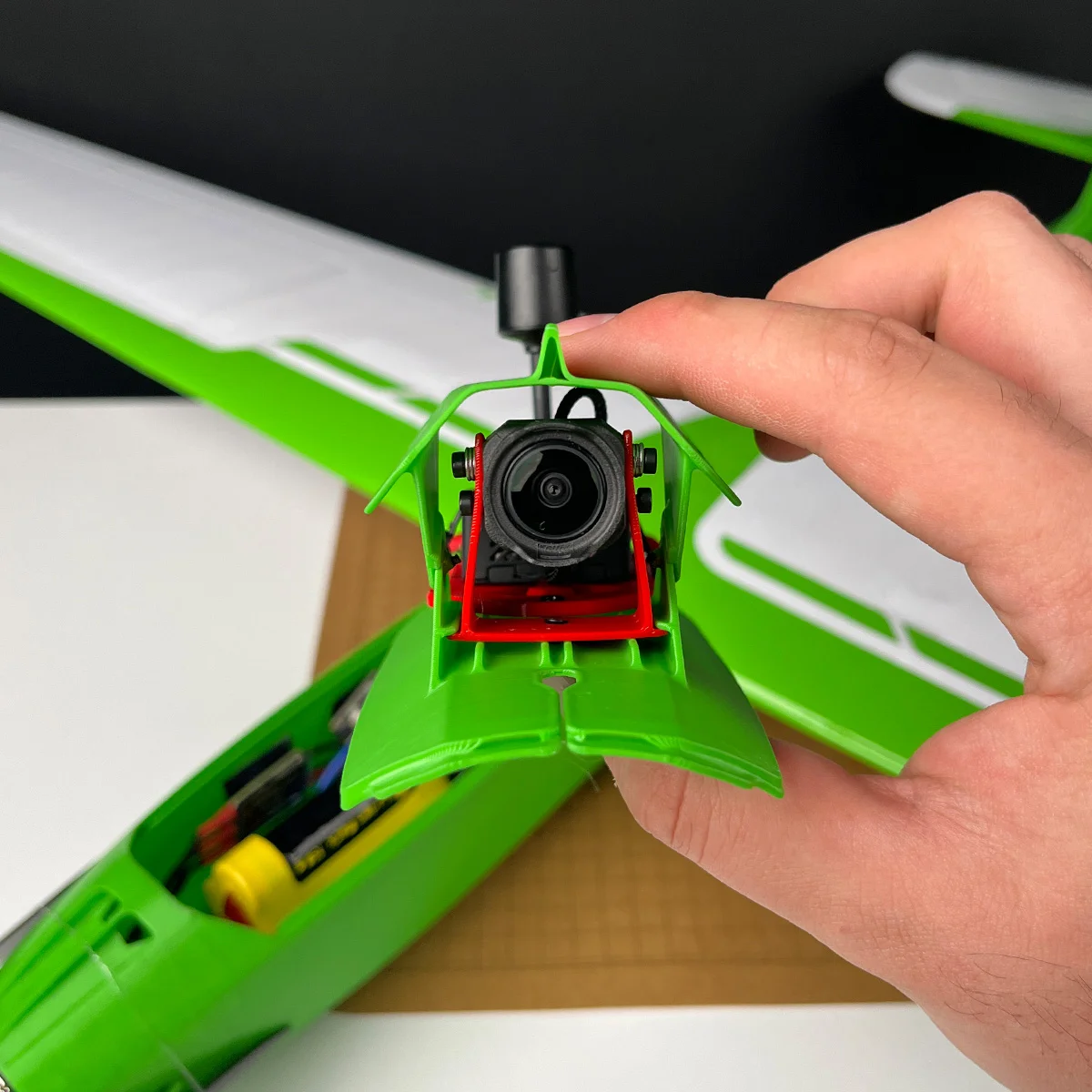
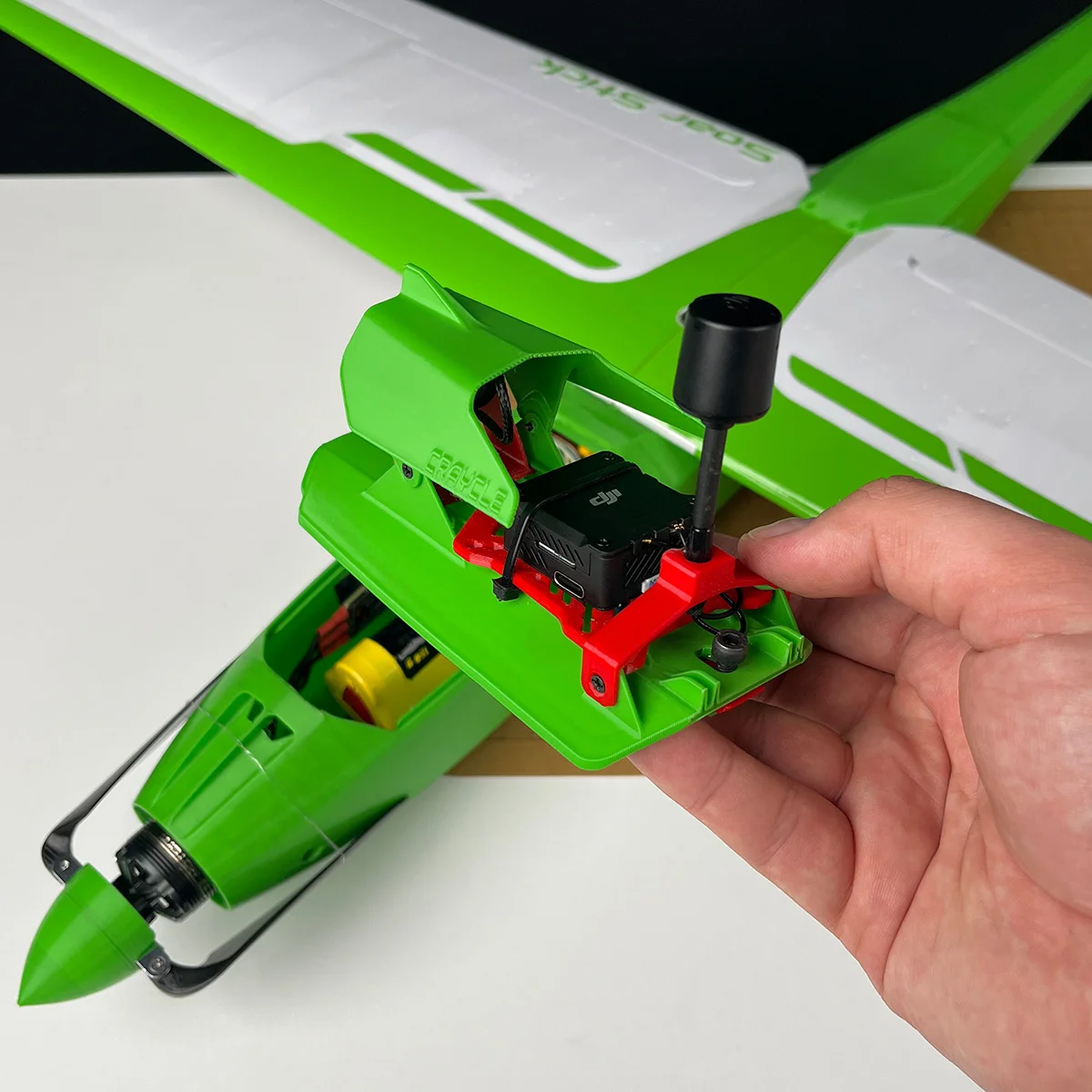
Soar Stick supports FPV as an option with practical mounting and cable routing in mind. The goal is a clean, streamlined setup that keeps the aircraft aerodynamic and easy to service. FPV components can be installed in a way that feels integrated, not like a custom hack. This makes it easier to build consistently, easier to troubleshoot, and easier to upgrade later. You can enjoy long glides with a cinematic view, especially when using a folding prop and cutting the motor.
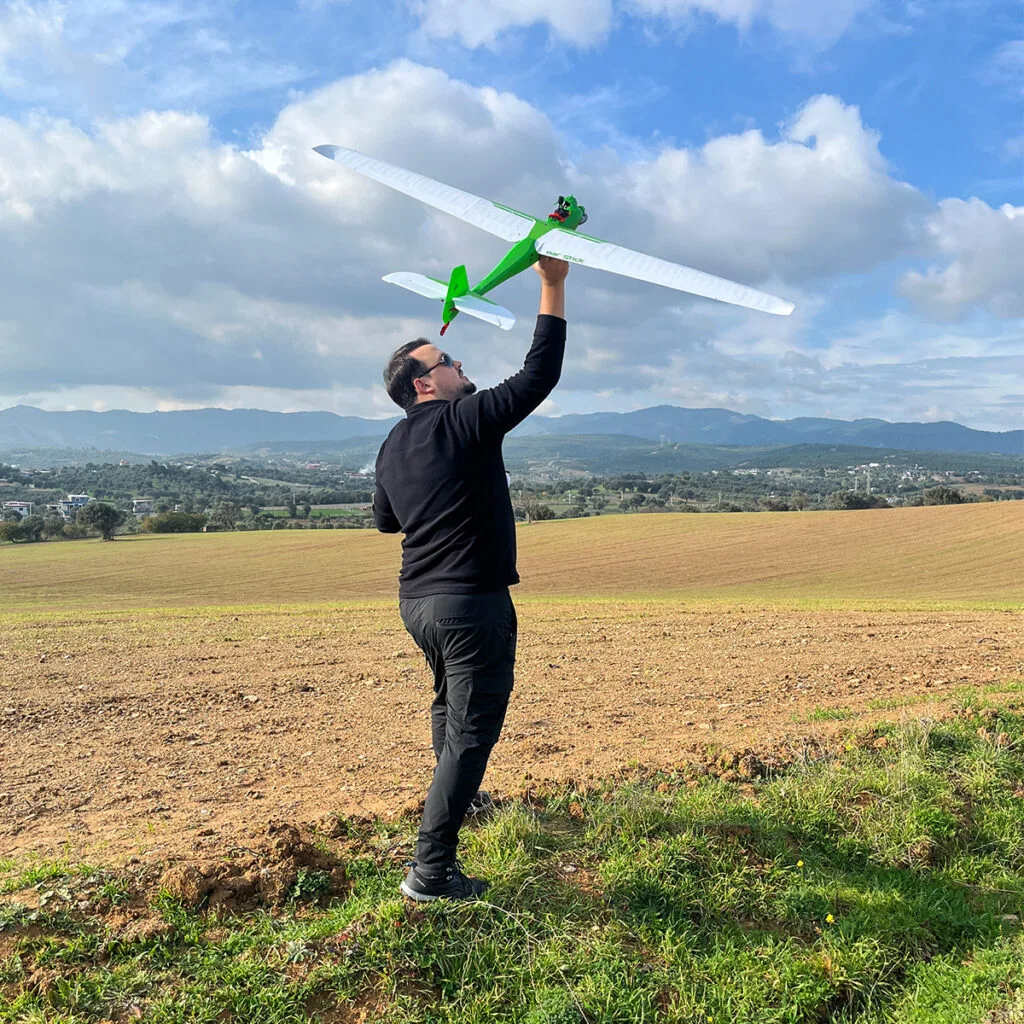
The airframe includes dedicated space and mounting solutions for flight controllers and GPS modules. That means you do not have to improvise with tape and random foam blocks to fit electronics. Installation stays tidy, balanced, and repeatable, which matters for both flight performance and ease of maintenance. If you want stabilized flight, navigation features, or clean telemetry integration, the airframe is ready for it. And if you prefer a simple build, you can keep it minimal without penalties.
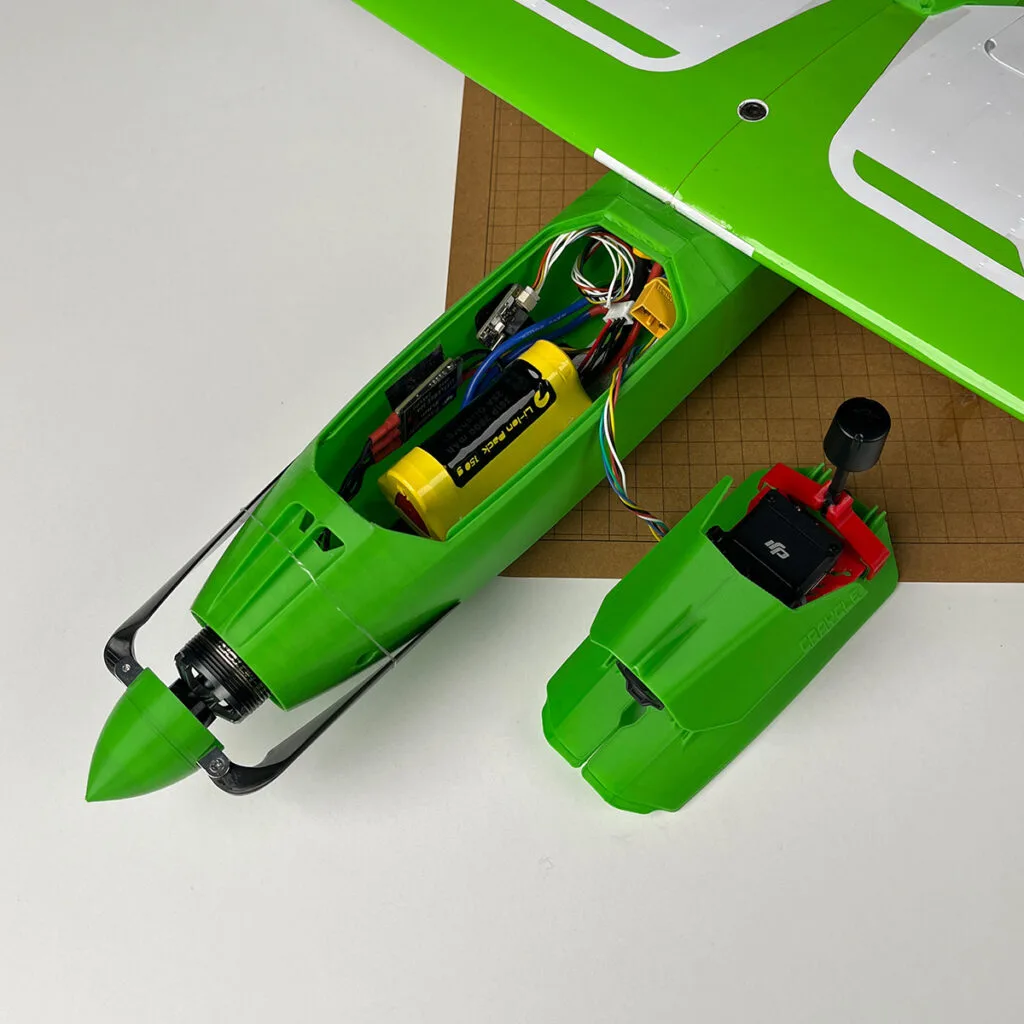
Soar Stick is designed to keep electronics organized and serviceable. Components can be placed in a logical layout that supports clean wiring and easy access. That makes the build feel more professional, and it also saves time when you need to adjust, repair, or swap parts. Modularity means you can build it simple at first, then upgrade gradually without rebuilding the whole aircraft. This is especially useful for glider tuning, where small changes can matter.
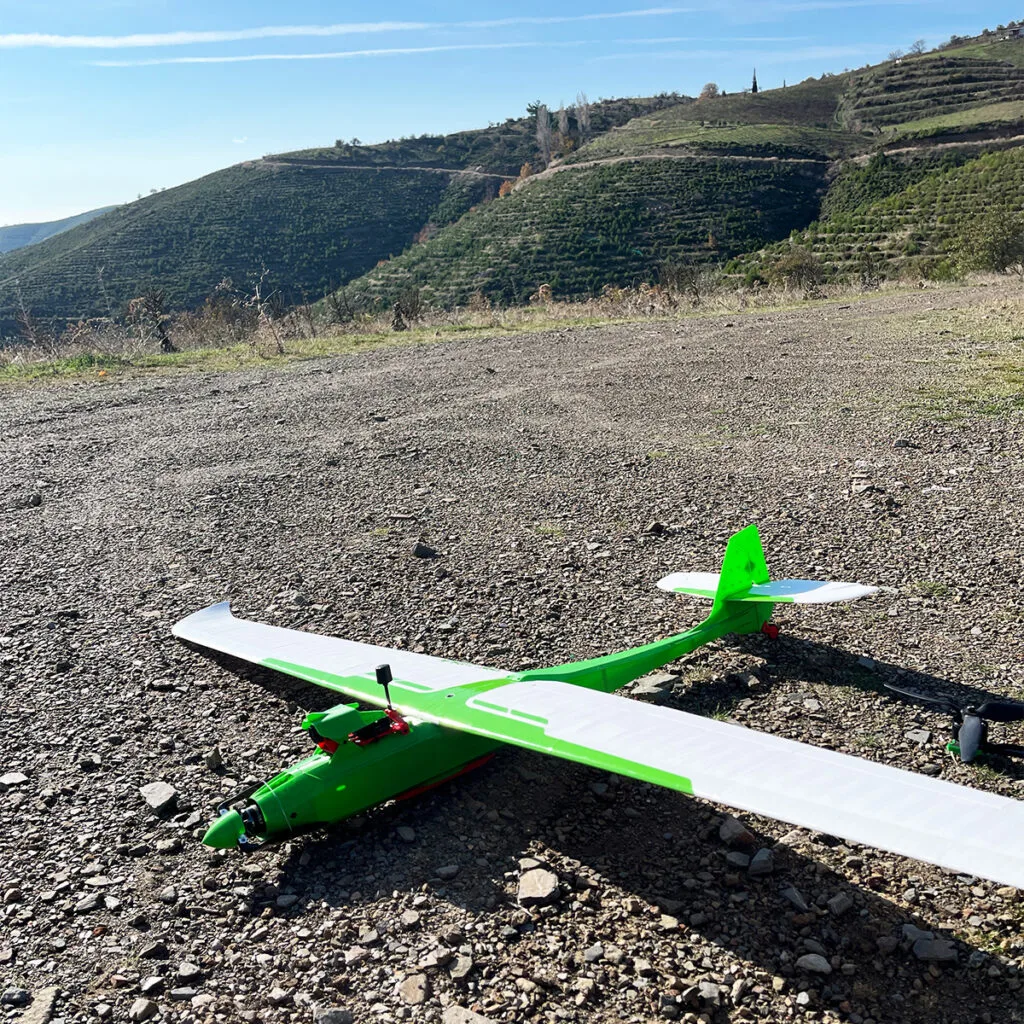
We take 3D printed aircraft seriously, so the structure is engineered around real flight loads and real landings. Stiffness is added where it protects control precision and glider efficiency, while controlled flexibility is kept where it can absorb impact energy. This balance helps protect the airframe and reduces the chance of a single hard landing destroying the entire model. The goal is not just strength, but smart strength to weight design. That is what makes the aircraft feel reliable in the air.
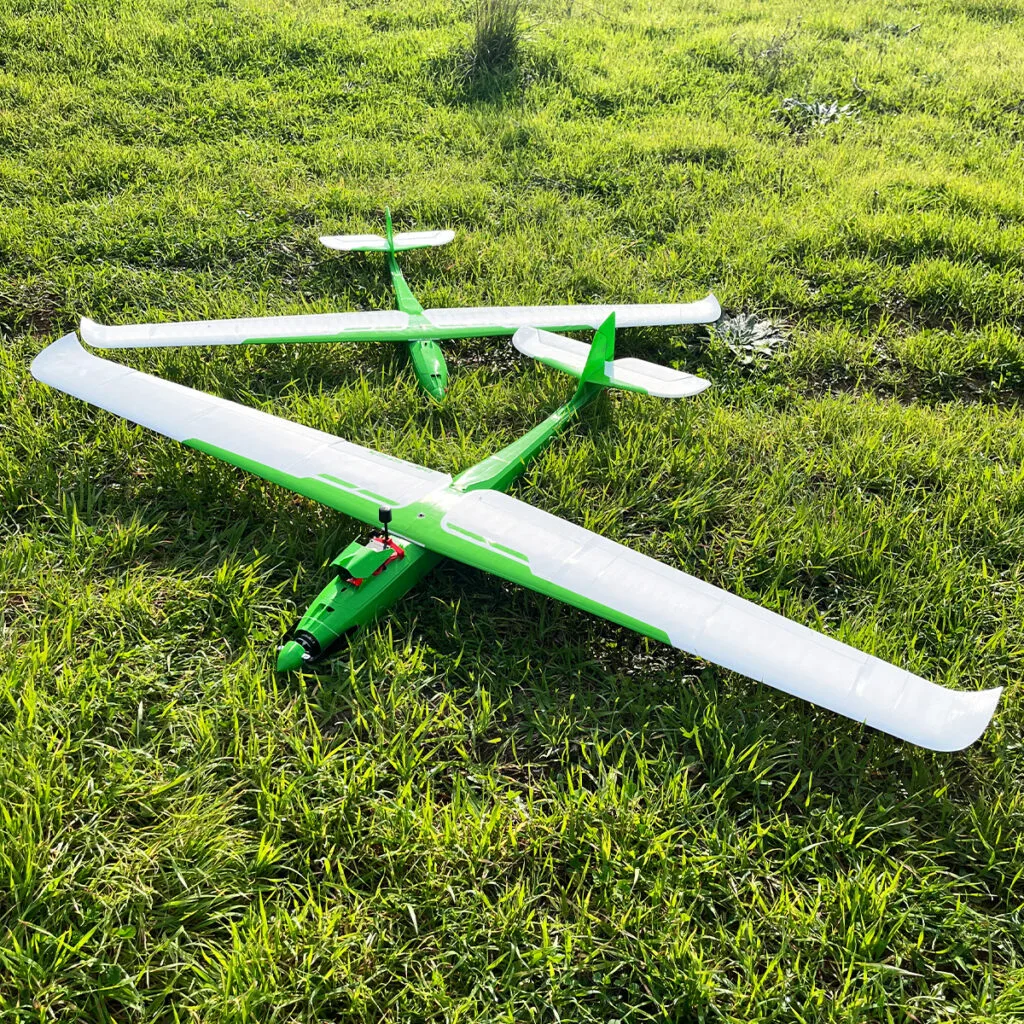
Because everything is printable, maintenance is simple and realistic. You can replace only the parts you need, instead of losing weeks of progress after one mistake. Major parts are designed to separate cleanly, so repairs do not turn into a full rebuild. This keeps the model “alive” over time and encourages you to fly more often without fear. A soaring glider should be something you keep coming back to, not something you fly once and retire.

Soar Stick is not only a model, it is a learning platform for glider flying. The documentation is designed to help you understand soaring technique, thermals, slope flying, flap usage, and glider mixes in a practical way. Instead of vague tips, you get structured guidance that matches the airframe design. This makes setup easier, and it helps you build real skill over time. The goal is to make advanced glider flight accessible, step by step.
Soar Stick performs best at 480–540 g all-up weight. In this range, the glider is light enough to climb easily in thermals while still having enough speed and stability to handle windy conditions safely.
Ailerons control the airplane’s bank angle (roll), letting it turn left or right. More movement gives faster rolls, and less movement gives a smoother response.
Differential: 1.6–2.0 : 1 (more up than down for coordinated turns)
Aileron differential is a glider tuning setting that makes the aileron move more upward than downward. In real flight, this reduces adverse yaw, meaning the nose will not pull the “wrong way” when you start a turn. The result is smoother, more coordinated turns, better thermal circling, and less need for constant rudder input.
Whenever flaps or reflexes are used, the airplane’s nose naturally pitches up or down. Elevator compensation automatically balances this so the glider stays level without re-trimming.
The rudder controls the airplane’s yaw (side-to-side nose movement). When mixed with ailerons, it produces smoother, more coordinated turns, especially important when circling in thermals.
Flaps change the shape of the wing. Small angles improve lift and help the glider stay longer in weak thermals. Large angles create drag and act as powerful brakes for landing.
The Crow mix combines flaps and ailerons to slow the plane down steeply but safely. Flaps go down while ailerons go up, allowing precise spot landings.
All recommended throws, mixes, and compensation values listed here are calculated specifically for the Soar Stick based on its unique form factor:
Because these settings are tailored to Soar Stick’s geometry and aerodynamics, they cannot be directly transferred to other gliders. Different models may require very different throws, differential ratios, and elevator mixes even if the wingspan is similar.
👉 Always treat these numbers as Soar Stick exclusive.
All radio setup and explanations provided here are not only setup instructions but also an educational guide. The goal is to help new pilots understand:
By following these notes, pilots don’t just copy settings; they learn the logic behind glider control systems and gain the skills to adapt them in the future. If there is any missing information here, please let us know!
👉 With Soar Stick, you are not only flying a model; you are learning how professional gliders are trimmed and controlled!
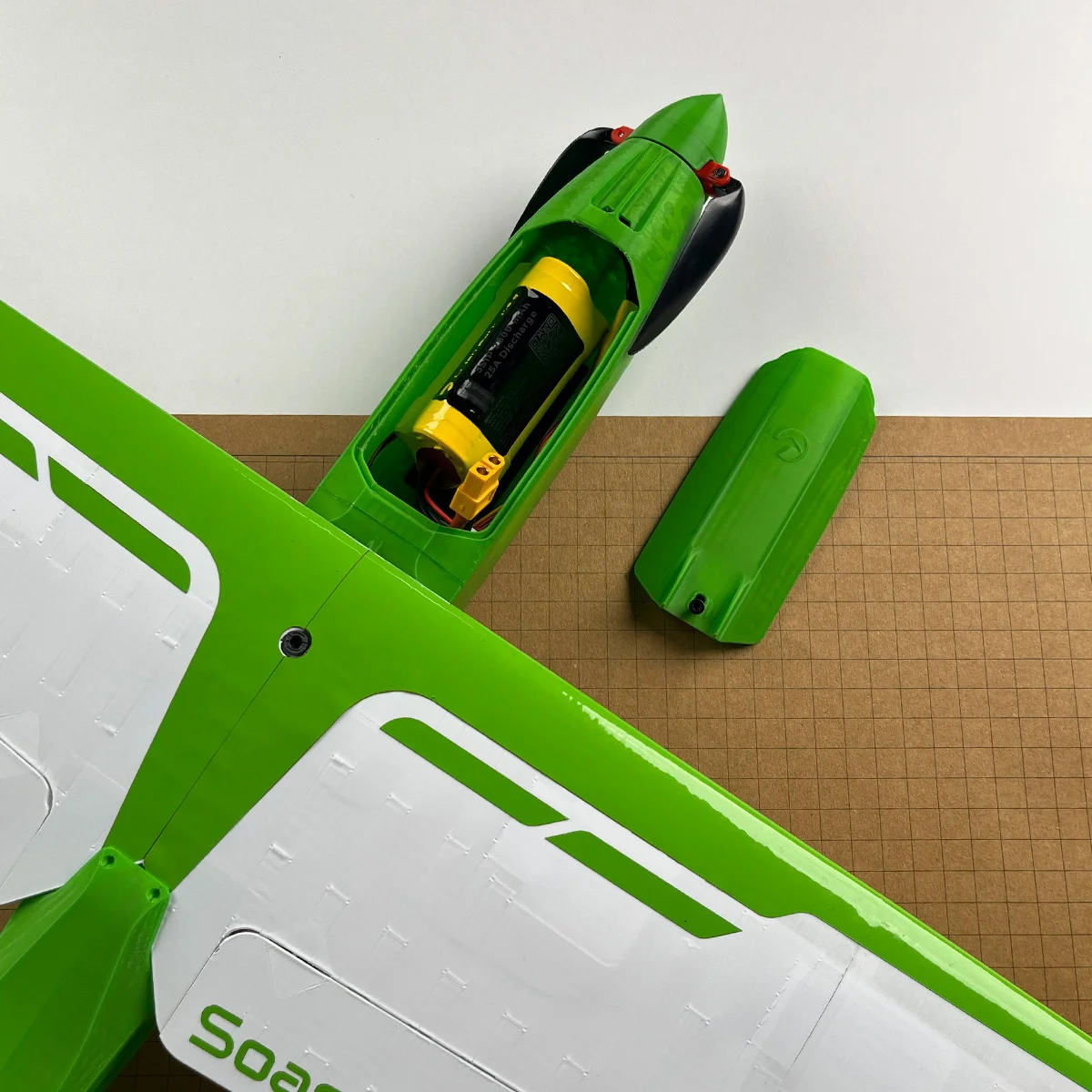
Space reserved for the battery. Flight controller, FPV gear and GPS have their own mounts.
| Surface | Throw | Rate | Expo |
|---|---|---|---|
| Aileron | 11 up · 9 downmm | 75% | 30% |
| Elevator | ±9mm | 75% | 30% |
| Rudder | ±9mm | 75% | 30% |
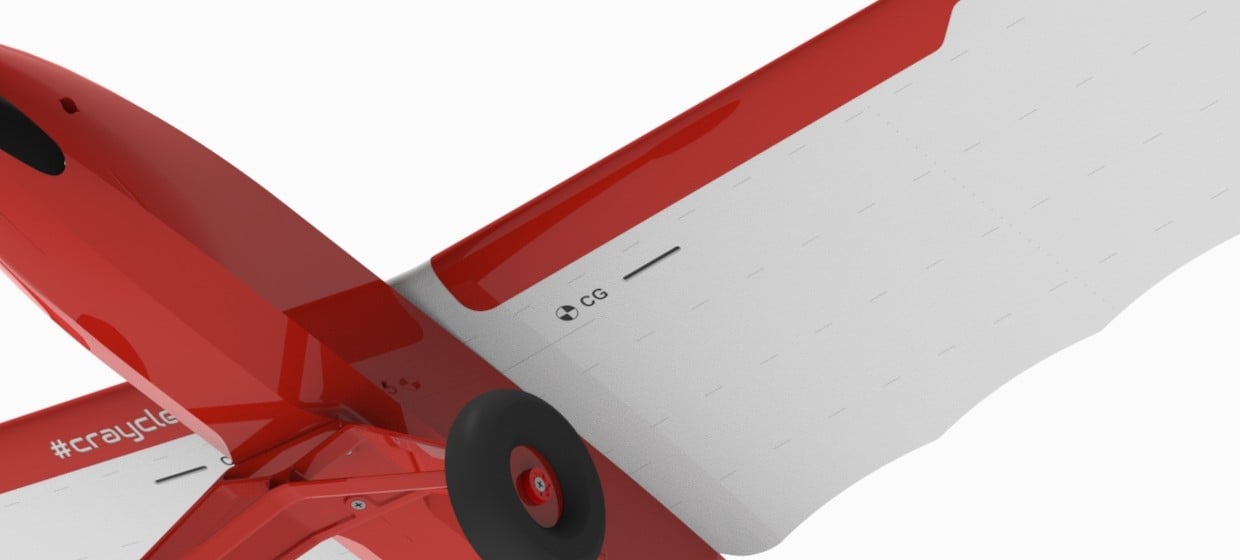
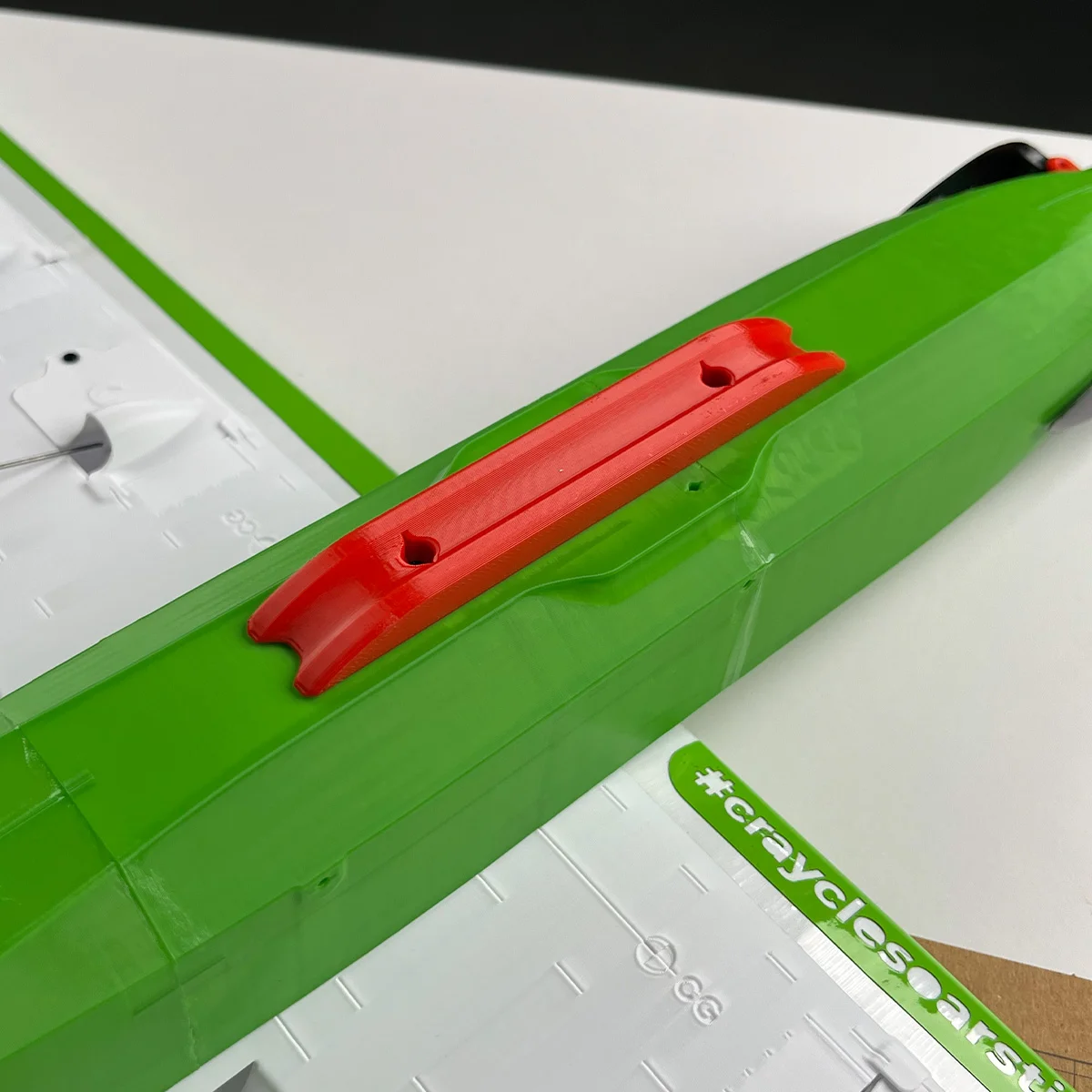
The CG is printed under the wing: the CG logo and a line. Balance the ready-to-fly plane on that line with the battery in. Move the battery to adjust.
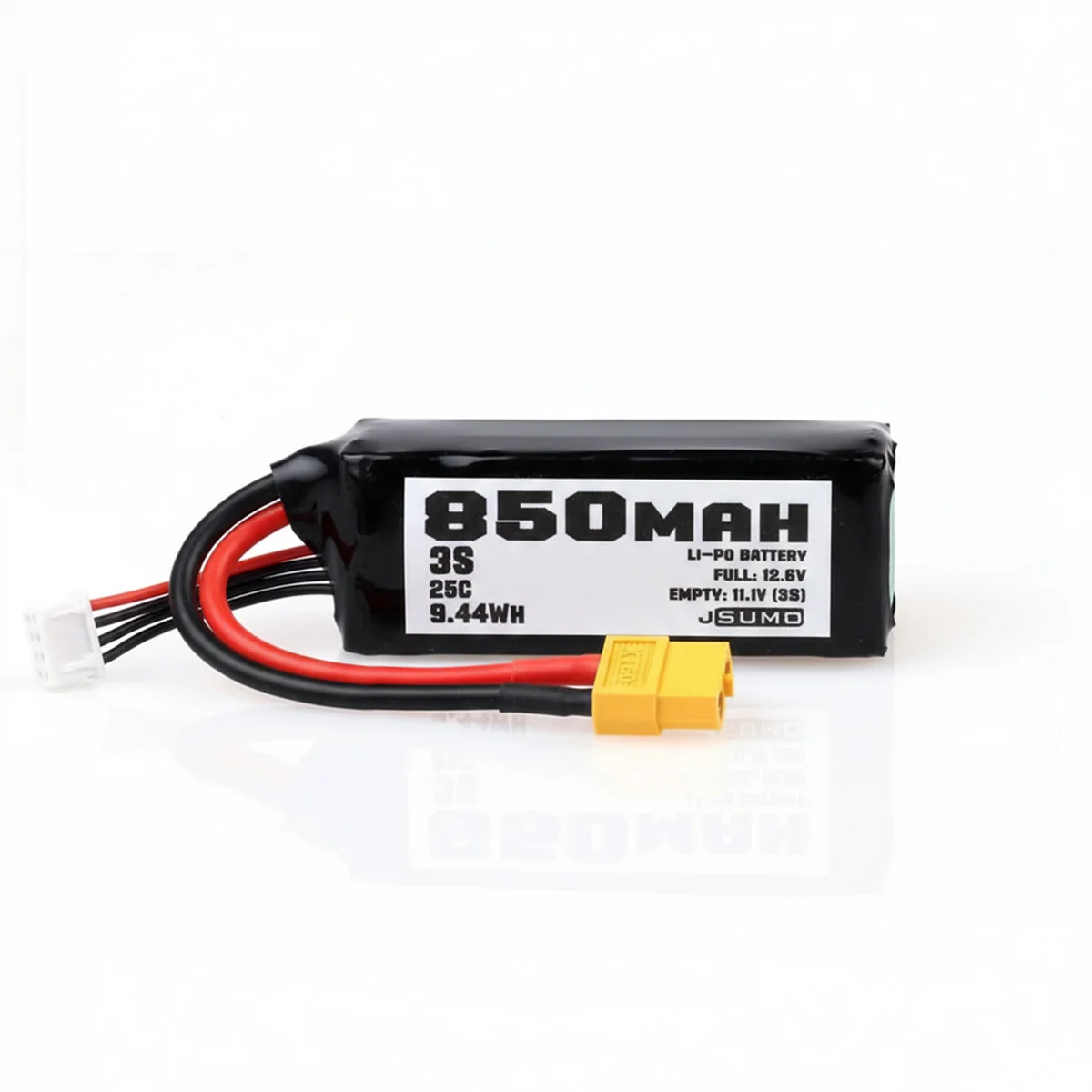
With the recommended battery and relaxed flying. Full throttle and wind shorten it.
Stall speed rises with the square root of weight: 10% heavier means about 5% faster.
A curved mean line gives more lift than a symmetrical section at the same angle of attack. Model wings fly at much lower Reynolds numbers than full-size aircraft (millions), so their airfoils are chosen for slow, small-scale airflow.
Same method and assumptions for every model, so they compare fairly. The absolute numbers are estimates.
Stall speeds are estimates from flying weight and wing area with a typical lift coefficient. Real stall speed also depends on balance, trim and flying style.
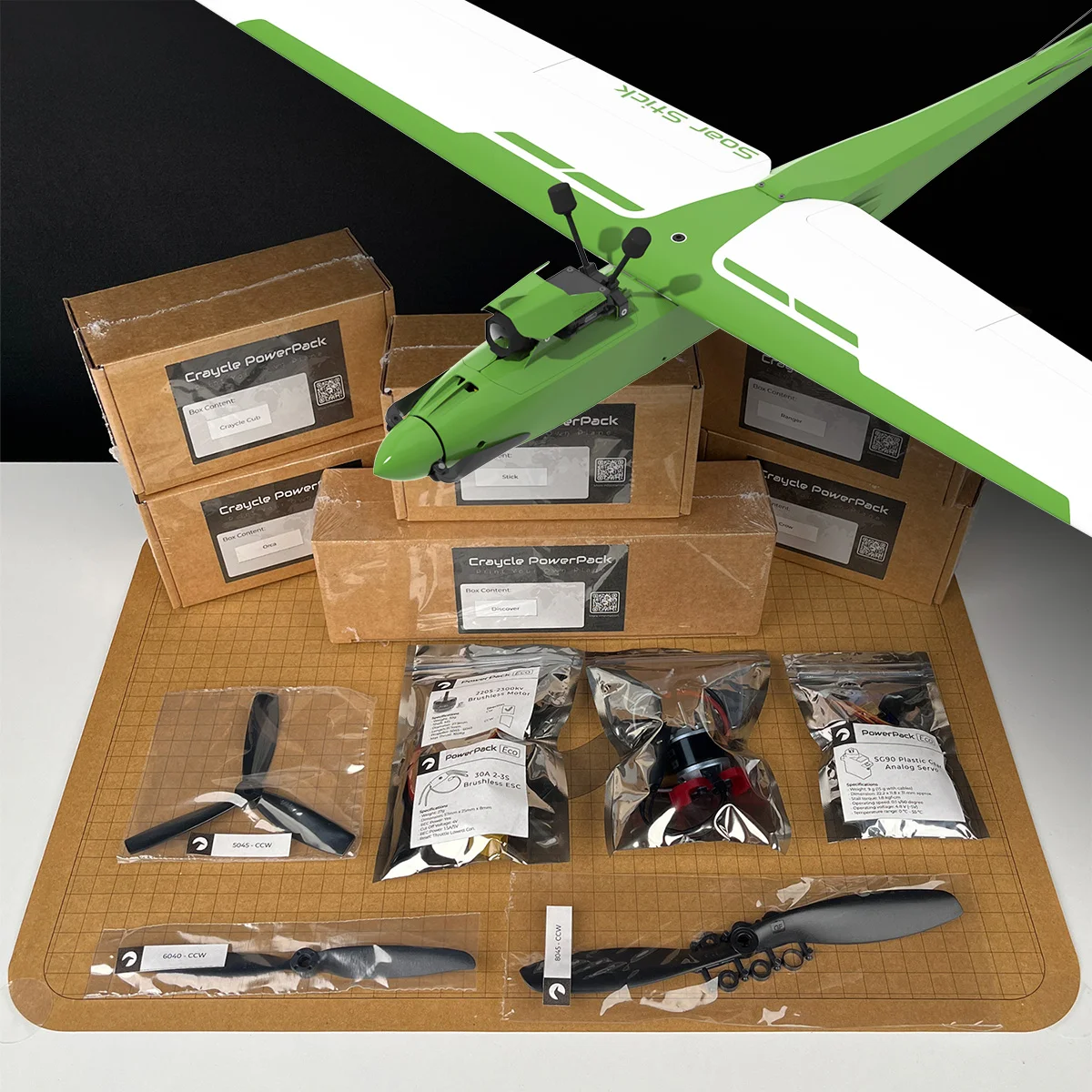
The best match for this size. Parts in one row are alternatives.
The lightest build for the longest glides and thermal flying.
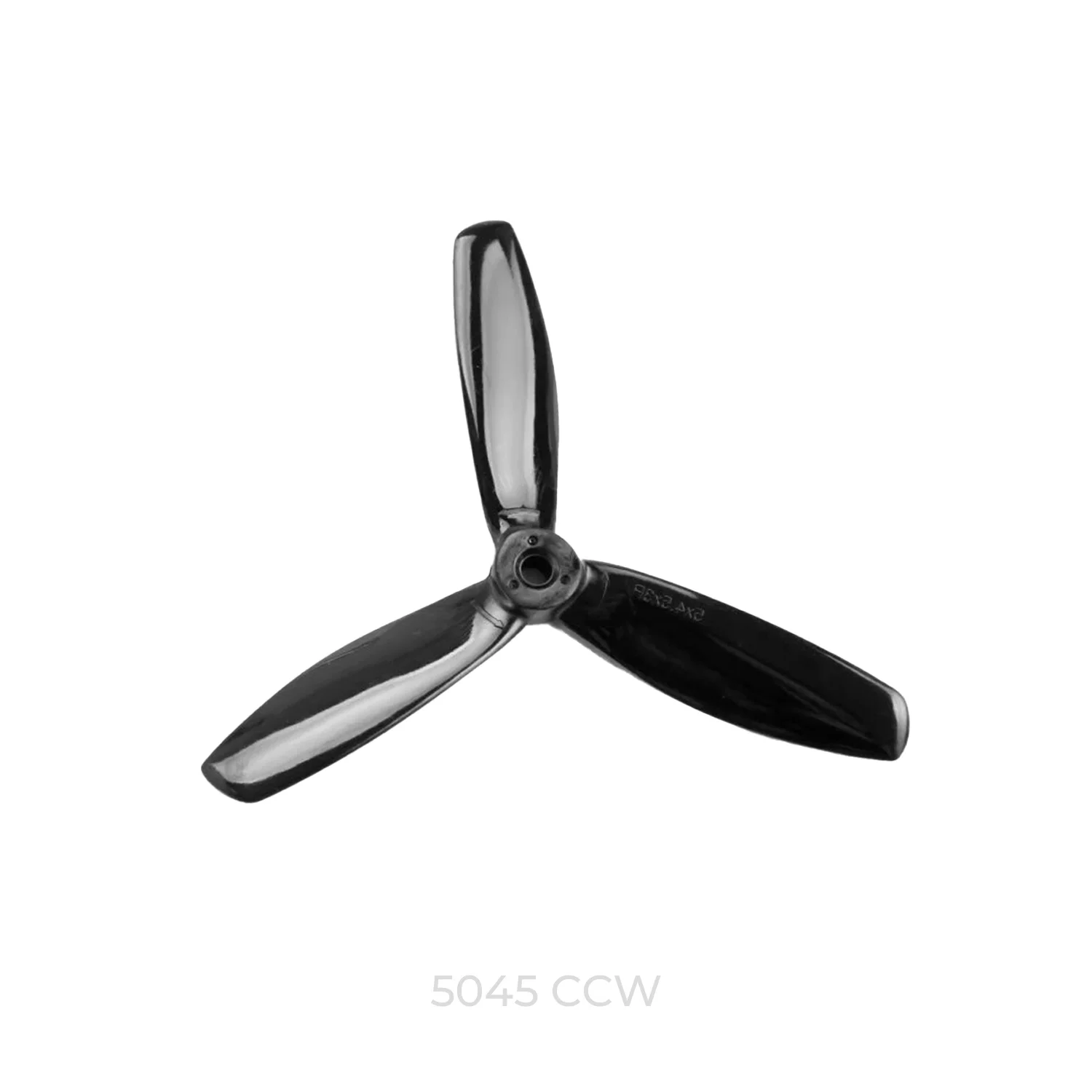 1×Propeller6″ · 2 blade or 5″ · 2 blade (5040) or 5″ · 3 blade
More power on 3S for windy days and slope soaring.
 1×Motor2205 2300KV CCW
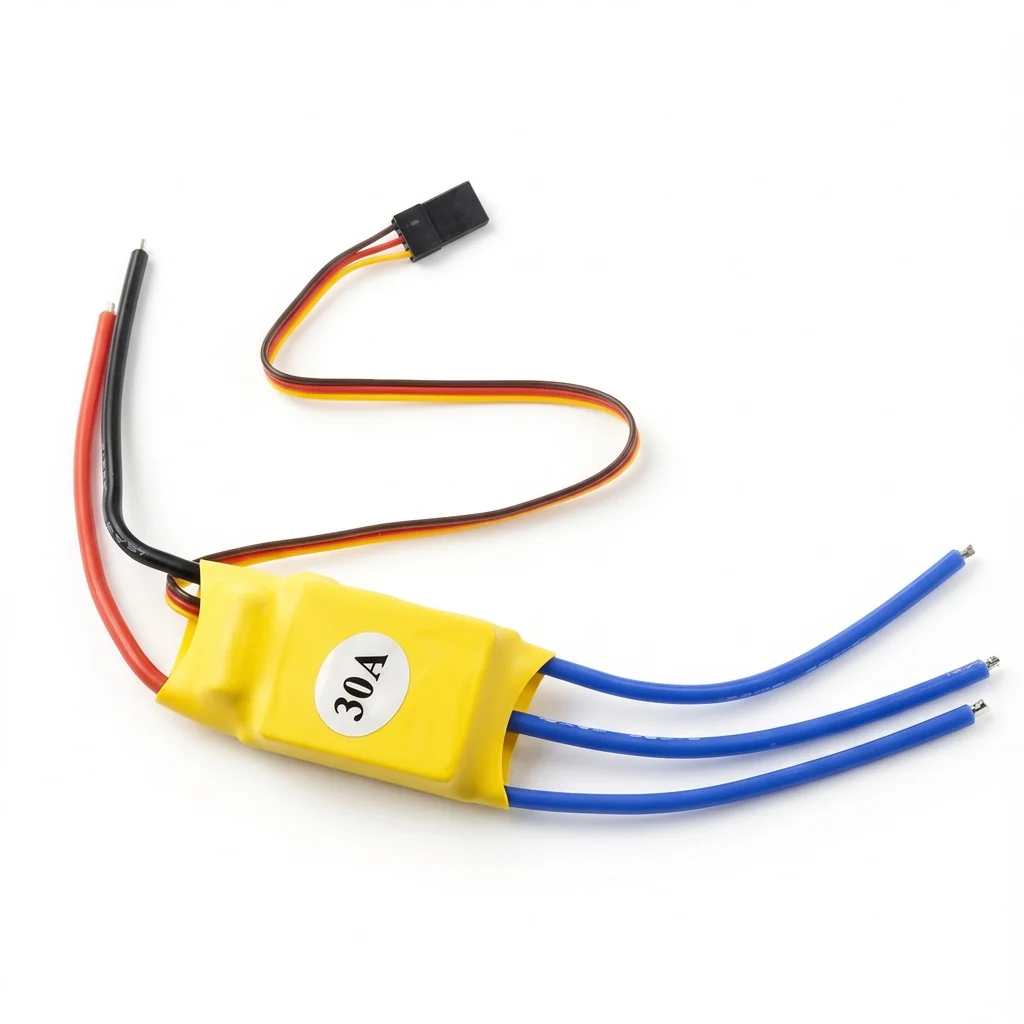 1×ESC25A ESC · 3S or 30A ESC · 2S–3S
 6×Servo9g servo1×Propeller6″ · 2 blade or 5″ · 2 blade (5040) or 5″ · 3 blade
| Weight | 950 g |
|---|---|
| Dimensions | 400 × 310 × 160 mm |
You must be logged in to post a review.
Choose the language and currency that work best for you.


Reviews
There are no reviews yet.